Maybe: A Freestyle Handwritten Font for Creative Projects
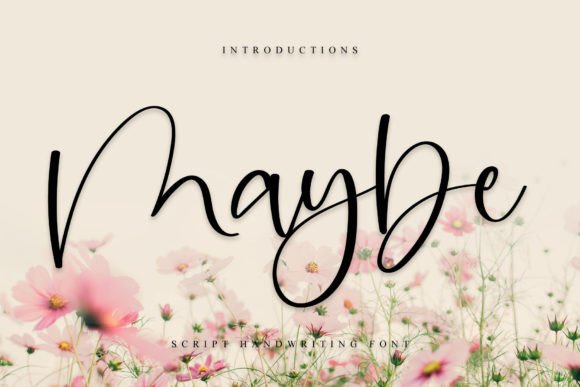
Sometimes, a design needs a touch of authenticity that polished digital fonts can't provide. That's where a typeface like Maybe steps in, offering a simple, hand-drawn character that feels both personal and versatile. Created with a random freestyle approach, this handwritten font brings a relaxed, organic vibe to your work, making it a valuable asset for a wide range of creative endeavors.
At its core, Maybe is a display font designed to capture attention. Its irregular lines and casual strokes mimic the imperfections of real handwriting, which can instantly make a design feel more approachable and human. This quality makes it an excellent choice for projects where you want to convey warmth, creativity, or a DIY spirit without sacrificing professionalism.
Where This Handwritten Font Shines
The practical applications for a font like Maybe are extensive. Its freestyle nature allows it to adapt to various contexts, adding a distinct personality wherever it's used. Consider these common scenarios where it can elevate your project:
- Logo and Brand Identity: Use it to craft a unique logotype for a boutique brand, artisanal product, or creative studio. It helps establish a recognizable and friendly brand identity.
- Editorial and Packaging Design: It works beautifully for magazine headlines, book titles, or packaging design for products like cosmetics, snacks, or crafts, adding a handcrafted appeal.
- Digital and Social Media: Create eye-catching social media graphics, YouTube thumbnails, or Instagram stories. It's also perfect for website headers or web design elements that need a personal touch.
- Posters and Merchandise: From poster design for events to apparel like t-shirts and tote bags, this font injects energy and originality into design assets.
- Special Projects: It's ideal for invitations, greeting cards, music album art, or magazine design, where a custom, artistic feel is desired.
Tips for Using Maybe Effectively
While Maybe is a versatile creative font, using it thoughtfully will yield the best results. Here are some practical tips for designers and creators:
First, always consider readability. As a script font with handwritten qualities, it's best suited for larger text like headlines or short phrases rather than long paragraphs of body copy. Test it at the intended size to ensure clarity.
Second, match the font's mood to your project's tone. Its casual, freestyle character is perfect for playful, artistic, or informal themes. For more corporate or highly structured designs, you might pair it with a clean sans serif font or a classic serif font to create balance and hierarchy.
Third, explore font pairing. Combining Maybe with a simple, geometric typeface can create a beautiful contrast that guides the viewer's eye. This technique enhances visual consistency and makes your overall design more dynamic.
Finally, review the licensing details before you download. Ensure the commercial font license covers your intended use, whether for personal projects, client work, or merchandise. Checking for available styles or weights can also provide more flexibility within your design system.
Choosing the right typeface is a fundamental step in the design process. A well-crafted font like Maybe does more than just display words; it communicates a feeling, supports your project's narrative, and contributes to a polished, professional presentation. By integrating a premium font with genuine character into your toolkit, you empower yourself to create more impactful and memorable designs.